
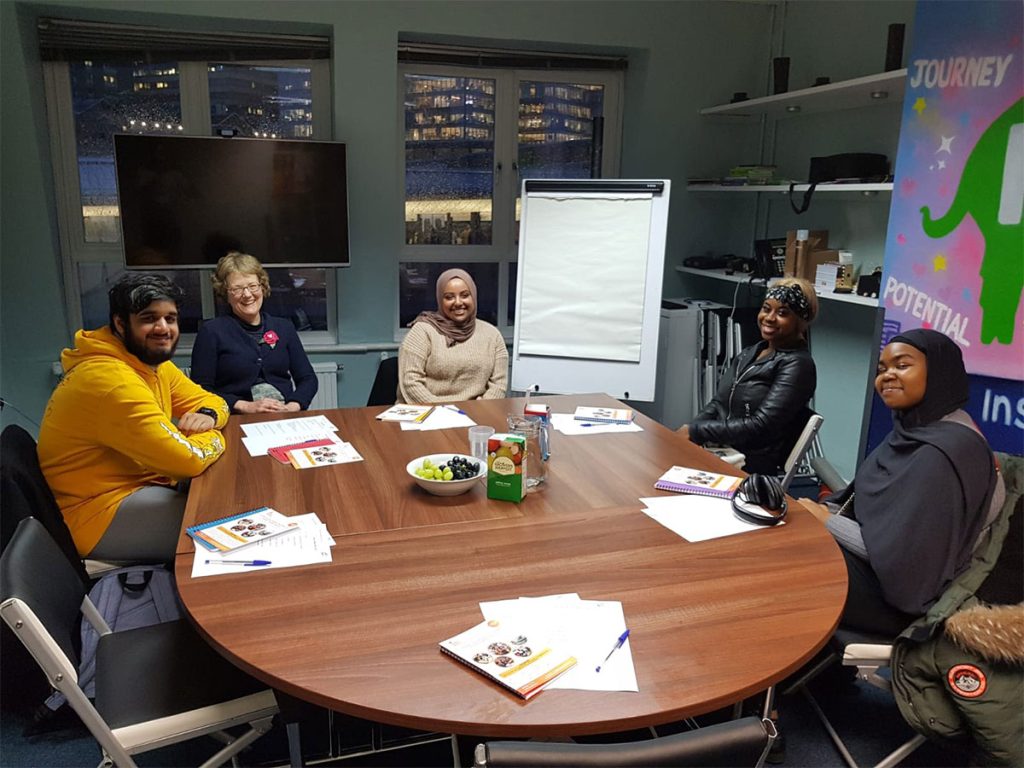
At Power2, we’re committed to representing the voices of our young people. We’ve always taken an asset-based approach, nurturing the talents, resources and abilities all children possess, and we know that in many cases the young people we work with are experts by experience.
So who better to tell us about the needs of young people than young people themselves?
Young people have always influenced the design and delivery of Power2 projects, right from the very start. A few years ago, for example, our Young Leaders told us via a survey and seven focus groups that they wanted to participate in themed activities that included employability workshops, dance, sports and cooking. They also told us they wanted to gain life skills, improved confidence, and qualifications as a result of their participation in Young Leaders. This led to a full overhaul of the programme, which is now funded by BBC Children in Need and is more successful than ever.
Things have been changing in the last couple of years, though, and young people are no longer just telling us what they need from a programme – they’re also involved in designing what that programme looks like and how it works.
They do this through a process called co-creation and co-production. These terms sound complicated but put simply it’s all about working together to create a product, service or activity. It’s based on the idea that many heads are better than one, and that direct lived experience is crucial in planning, designing, delivering, and reviewing high-quality services.
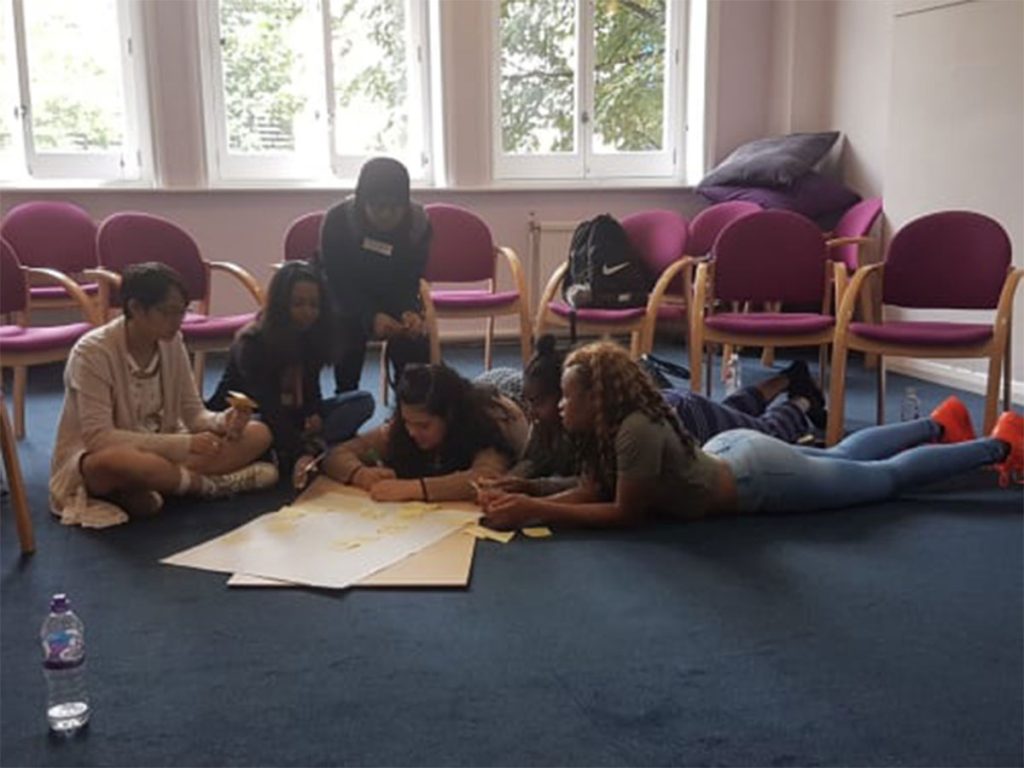
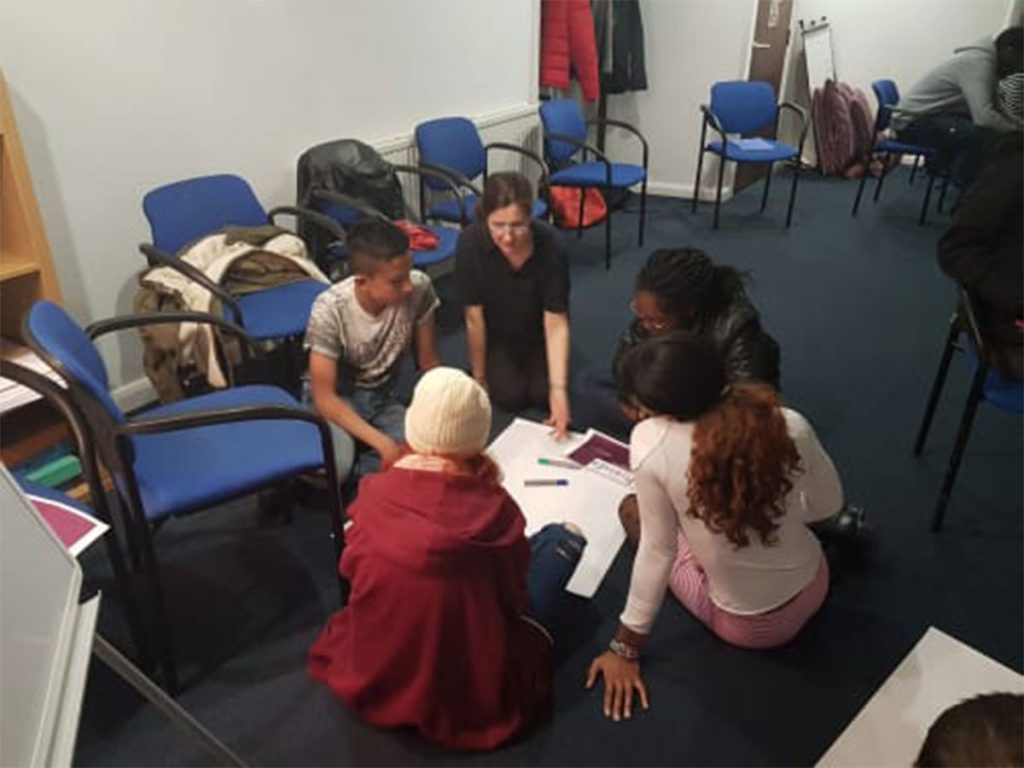
When undertaking co-creation and co-production, we work according to four key principles:
- It is asset-based and strengths-based – all young people bring their own valuable perspectives, knowledge, and skills.
- It builds on people’s existing capabilities – we build on the skills and strengths our young people have, rather than imposing staff expectations of what is required.
- It is based on reciprocity and mutuality – young people gain as much from the experience as they put in, and so do staff – everyone contributes, and everyone benefits!
- It values and enables peer support networks – the combination of peer and personal networks alongside staff relationships is the best way of transferring knowledge.
Through co-creation and co-production, we are confident that our programmes will continue to be relevant for young people and will continue to support them to fulfil their potential in today’s changing world.


